About
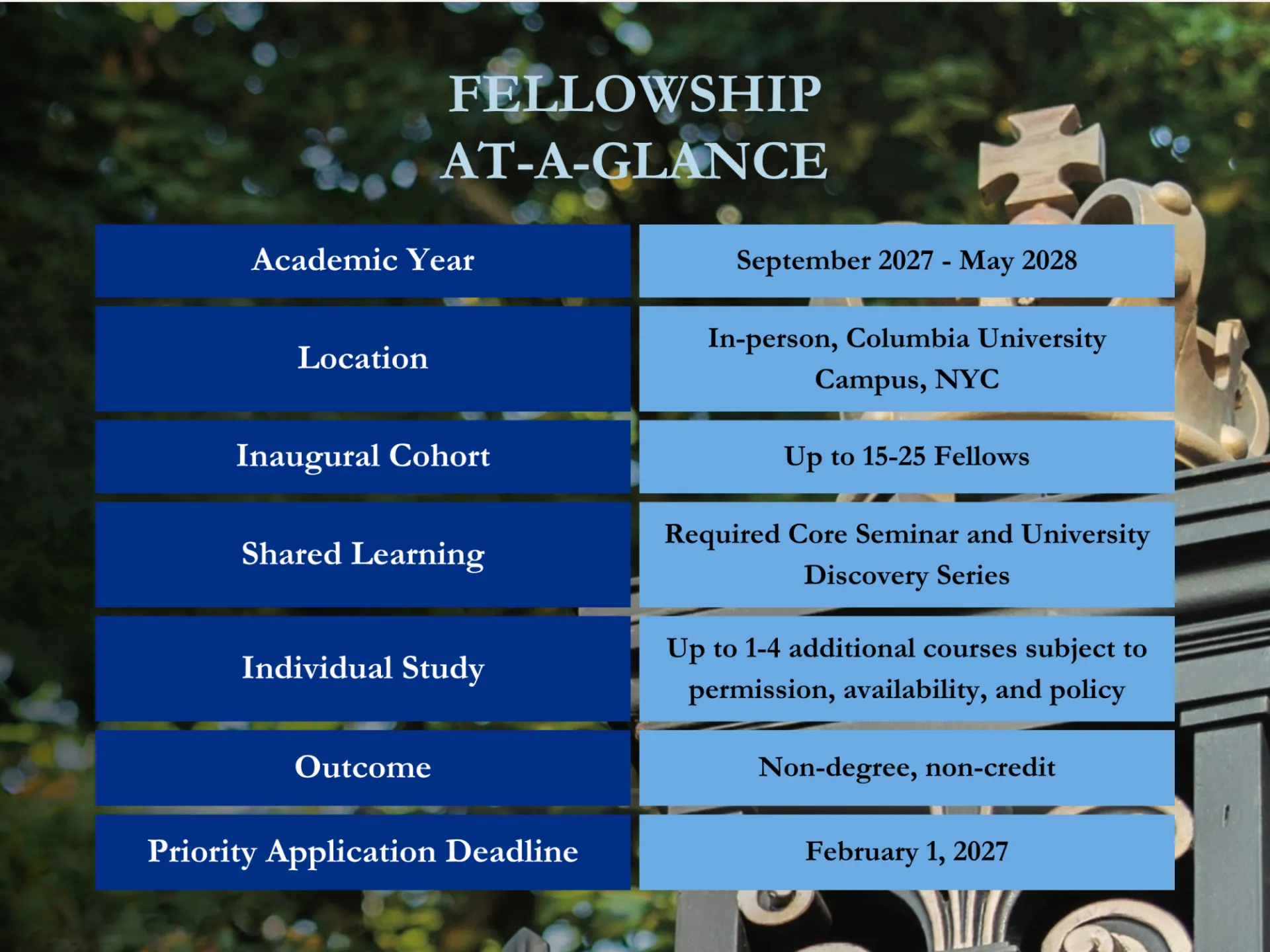
What would you explore if you could spend a year following your curiosity? Columbia's Distinguished Fellows Program invites accomplished individuals to return to the excitement of learning through a thoughtfully shaped academic year, an exceptional peer community, and the intellectual and cultural life of New York City. The Program offers a year of rigorous academic learning and renewal for individuals approaching the end of their primary careers or preparing for a life transition. This is that chance to be a student again—on terms designed to fit a different life stage.
With Columbia faculty and the University’s breadth of scholarship as a starting point, Fellows engage with enduring questions and new discoveries in the humanities, sciences, social sciences, arts and professional fields. The fellowship draws on two defining strengths of Columbia: the shared intellectual inquiry at the heart of its Core Curriculum and the extraordinary range of research and discovery across the University. Fellows take part in a Core seminar and the University Discovery series, where enduring questions meet contemporary ideas, emerging research, and perspectives from different fields. Together, these experiences provide a foundation for further study, personal exploration, a focused project, or possibilities for what comes next.
For people whose professional lives have demanded sustained focus and responsibility, the fellowship offers something rare: time to explore beyond their principal fields, consider fresh perspectives, and enjoy learning without a predetermined next act.
Frequently Asked Questions
The fellowship welcomes accomplished people who want to study beyond their established expertise—whether they are considering a next chapter, developing an idea, or following a longstanding interest.
Given that many of today’s leaders have spent decades immersed in their own fields, the Columbia University Distinguished Fellows program will provide space and guidance for Fellows to reactivate their intellectual creativity and explore topics beyond their own ken. The Distinguished Fellows program seeks those who want to be students again, but on different terms, and who, in doing so, want to give something back to the next generation.
As elaborated on the “Experience” page, the program will offer a curated cluster of seminars and outings designed only for the Distinguished Fellows cohort. In addition to the Fellow-specific experiences, the program’s advisors will help participants find and register for open seats in classes from across Columbia in both semesters.
Fellows have the freedom to study almost anything offered in the wide range of Columbia’s curriculum--including philosophy, religion, history, the arts, music, literature, politics, science, environment, and society. They may seek to understand the issues facing the modern world with the context and nuance gained through reflection on history and written, oral and artistic traditions. Select courses in some professional schools will be available as well.
Fellows decide how they want to engage their classes. They may choose to attend and engage in all class activities, or they may simply audit their classes. Fellows attending a class are typically present at all or most class meetings and complete most assignments, and may take exams if they wish, with instructor feedback but with no final grade recorded. Fellows who simply audit a class attend and complete assignments more flexibly, but without instructor feedback.
Fellows understand that they have the opportunity not only to learn but also to give back to the next generation. In class, that may mean holding back, so that students earning their degrees have the space to speak, practice and learn, but it also may mean asking the hard question or contributing the insight that experience and life stage allows one to see.
Voluntary mentorship opportunities will pair Fellows with current students interested in areas where Fellows have expertise, drawing Fellows into the learning community in a special role, giving back even as they undertake their own learning.
In addition to the two shared academic components, Fellows may explore selected Columbia courses. Participation depends on academic approval, seat availability, instructor permission and University policies.
Each term, Fellows meet with the advising team to hone their search across the course catalog. Hundreds of classes have open seats after degree-seeking students have registered, and Fellows are free to register for these in most cases. Some special courses—such as first-year undergraduate Core seminars—are reserved only for degree-seeking students and do not admit auditors or visiting students. The advising team helps Fellows navigate registration in a way tailored to their goals and desire for rigorous academic engagement or lower-key auditor experiences.
As a Distinguished Fellows program alumnus, you will have access to a lifelong intellectual home and peer community at Columbia. You will retain access to the exclusive Fellow directory, and will be invited to select annual campus summits, ongoing events, faculty lectures, and some Columbia alumni programming. There will be abundant opportunities to collaborate with past and future cohorts. Some Fellows may cultivate long-time relationships with the faculty teaching them, with current students they mentor, or with collaborators on projects launched during the program.
In its first year, the program is proud to offer two full-tuition fellowships for exceptional leaders coming from the non-profit sector.
As we establish the program, Columbia degree-holding alumni will be offered a 10% discount on tuition if they are admitted to the inaugural cohort (2027-2028).
As one of the opportunities to “pay it forward” for others while on campus, members of the inaugural cohort will be invited to advise on the development and refinement of the program and will be part of special conversations with the deans and academic leaders spearheading this initiative. Inaugural Cohort Fellows may be invited to remain connected to the program in an advisory capacity for the second year and beyond, if a longer relationship with the program and the university is of interest.
Meet the People Behind the Program
Leadership of the Distinguished Fellows Program
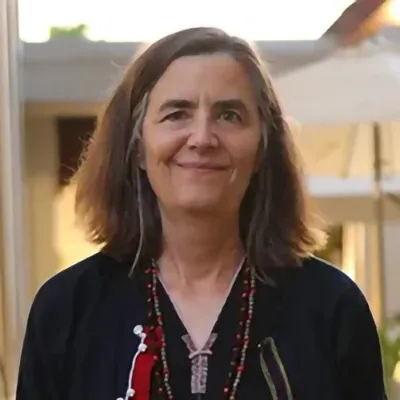
As the inaugural Faculty Director of the Distinguished Fellows Program, Professor Pamela Smith brings a lifetime of intellectual curiosity, teaching, and research across science and the humanities. Her deep experience at Columbia will be an essential resource for Fellows as they enter into the life of the university. A pioneering scholar of the history of science, her teaching and research ask questions fundamental to human life and society: how do we acquire knowledge? How do we learn to create, with our minds as much as our hands? How does scientific discovery happen? Over three decades, including her work as founding director of the Center for Science and Society, she has served as a mentor to generations of students who have gone on to shape global thought and understanding about science and technology, its history, and ongoing influence in society. She will work closely with Fellows as they design their individual pathways through the Program as well as lead and curate the flagship University Discovery series.
Read about Professor Smith's insights on the Distinguished Fellows Program here.
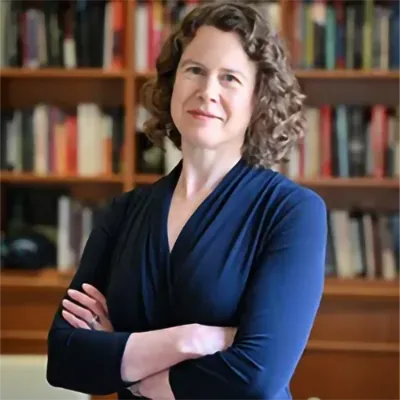
As academic sponsor of the Distinguished Fellows Program, Amy Hungerford brings more than 25 years of experience in higher education at Columbia and Yale, and her deep knowledge of Columbia’s intellectual ecosystem to the program’s design and operations. In her role as Dean and Executive Vice President, she oversees Columbia University’s second largest unit, which includes five schools, more than 1,000 faculty, 28 departments, and 60 research centers and institutes. A scholar of 20th and 21st century American literature and a former Dean of Humanities at Yale, Professor Hungerford has been instrumental in shaping the vision for the program, including its curricular design and faculty engagement. She regularly teaches in the Core Curriculum.
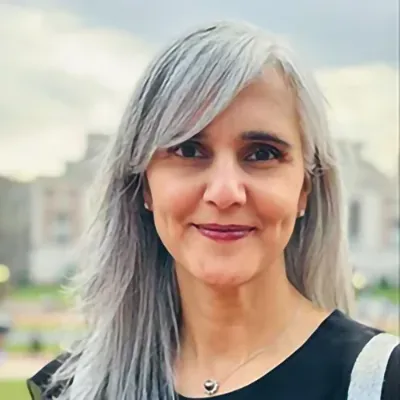
Vice Provost Ushma Neill is co-sponsor of the Distinguished Fellows Program, bringing the scope and expertise of the Provost’s Office and its Lifelong Learning initiatives to the Program’s design and operations. In her role as Vice Provost, she provides strategic and operational leadership to strengthen collaboration and integration across Columbia’s campuses. She works closely with deans, faculty, and academic and administrative leaders to connect research, education, and institutional initiatives that span schools and units. Her portfolio focuses on building durable structures that support interdisciplinary programs, shared resources, and joint initiatives. Through this work, she advances University-wide academic priorities, with the goal of amplifying Columbia’s collective impact.
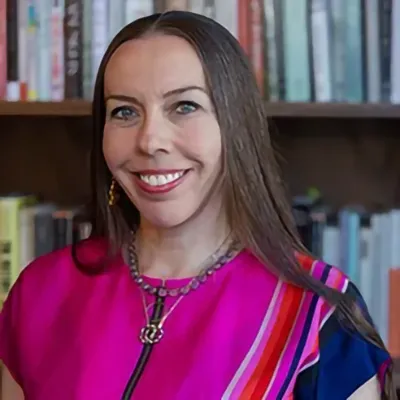
Professor Eleanor Johnson is the designer and teacher of the Distinguished Fellows Core Seminar, bringing the energy and vision of one of Columbia’s most beloved and celebrated teachers and most active scholars across an exceptionally broad intellectual range. The recipient of two of Columbia’s most prestigious teaching awards, the Lenfest Distinguished Faculty Award (awarded by Arts & Sciences) and the Mark Van Doren award (awarded by Columbia’s own undergraduate students), she has been teaching at Columbia for 17 years, including 15 years teaching Literature Humanities – a primary element of Columbia’s renowned Core Curriculum. By training, Professor Johnson is a medievalist, who focuses on English literature, theology, and culture. But, partially based on her work in the Core, she also teaches extensively in classical, Renaissance, and contemporary literature, as well as American cinema, with a focus particularly on the unsettling genre of horror. She has published 6 books, some for cross-over audiences, with two additional books in the pipeline for 2027-2028. Her playful, provocative scholarship and dynamic teaching will define the shared intellectual experience of the Program.
Distinguished Fellows Advisory Committee 2026-2027
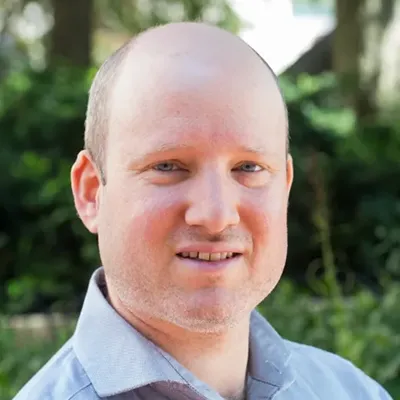
Ivan Corwin is a professor of mathematics, a member of the Program for Mathematical Genomics, of the Data Science Institute and of the Columbia Quantum Initiative at Columbia University. Ivan is also on the scientific advisory board for the NSF math institutes SLMath and ICARM (Institute for Computer-Aided Reasoning in Mathematics). Ivan studies aspects of probability and mathematical physics including random interface growth, interacting particle systems, random matrix theory and stochastic partial differential equations.
Read more
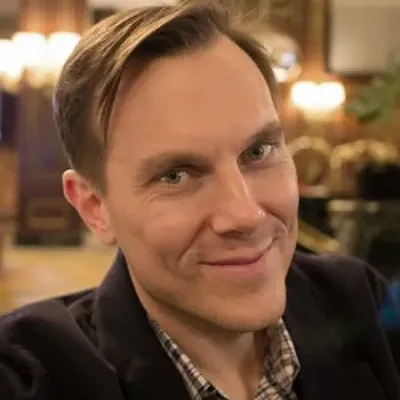
Matthew Engelke is Professor and Chair of the Department of Religion and a member of the Executive Committee of the Institute for Comparative Literature and Society. From 2018-2024, he also served as Director of the Institute for Religion, Culture, and Public Life.
Trained as an anthropologist, Professor Engelke’s main research interests are on Christianity, secular humanism, media theory, materiality, and semiotics. He has conducted fieldwork in Zimbabwe and in Britain. He is currently working on a book about secularity and death, based on research among humanist funeral celebrants in London.
Read more
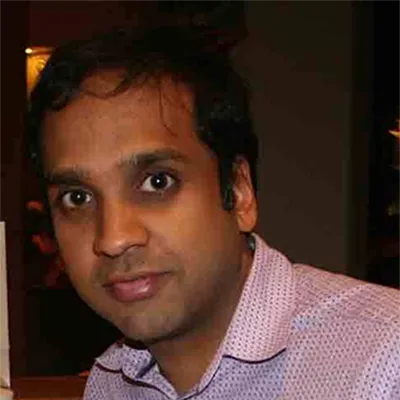
Rishi Goyal is Director of the Medicine, Literature and Society major at ICLS.
Dr. Goyal's research, writing and teaching focuses on the reciprocal transformations that result when new ideas about health, disease and the body find forms of expression in fiction and memoirs. His most recent work explores the political, aesthetic, and social dimensions of the representation of physical trauma in literature. His writing has appeared in The Living Handbook of Narratology, Aktuel Forskning. Litteratur, Kultur og Medier, and The Los Angeles Review of Books among other places.
Read more
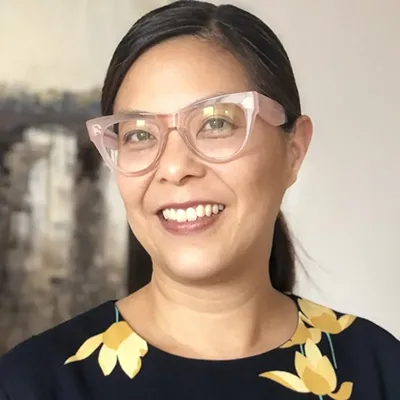
Eugenia Lean has been on the faculty since 2002 and previously served as Director of the Weatherhead East Asian Institute and co-director of the Heyman Fellows Seminar at the Society of Fellows and Heyman Center for the Humanities.
Lean received her BA from Stanford University (1990), and her MA (1996) and PhD (2001) from UCLA. She is interested in a broad range of topics in late imperial and modern Chinese history with a particular focus on the history of science and industry, mass media, consumer culture, affect studies and gender, as well as law and urban society. She is also interested in issues of historiography and critical theory in the study of East Asia.
Read more
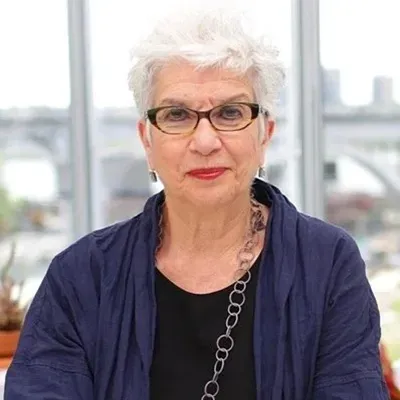
The developing visual system could easily turn into a traffic pileup. Nerve cells, or neurons, extend roots from the retina, in the back of the eye, several centimeters into the brain. And somehow they seem to know precisely where they are going. At Columbia’s Mortimer B. Zuckerman Mind Brain Behavior Institute, Carol Mason, PhD, studies the circuitry of the visual system to understand how neurons that extend from the eyes make their way to their specified destinations deep in the brain.
She studies a type of neuron called the retinal ganglion cell (RGC) that stretches from the back of the eye to the thalamus and midbrain, which are sensory relay stations in the middle of the brain. (From these sites, signals are sent to the visual stations in the cortex, the brain region that interprets these signals.
Read more
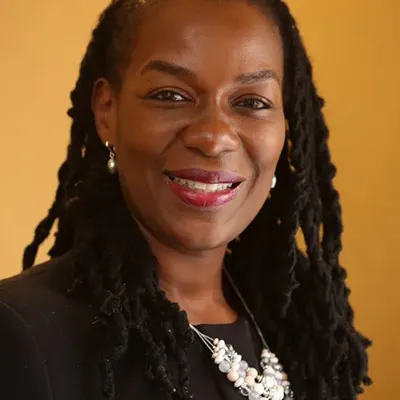
Our lab promotes the development of research regarding people with threatened identities, and examines the consequences of their experiences for intergroup relations. Any individual can have part of his/her identity that is devalued or stigmatized in some way—women in the sciences, gay/lesbian, bi-sexuals in American society, aging workers in technology firms, African-Americans in intellectual settings, certain immigrants in the U.S. We attempt to understand their experiences and, through research, uncover ways to improve how majority and minority group members “get along.
Read more
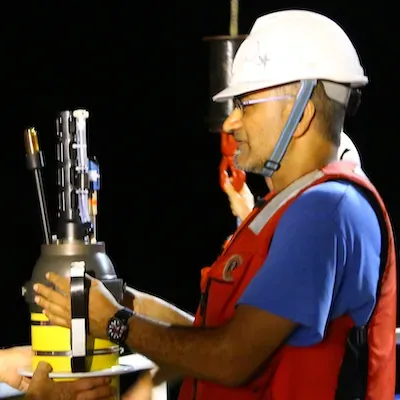
Ajit Subramaniam is a Lamont Research Professor at the Lamont Doherty Earth Observatory of Columbia University and is an oceanographer with expertise in biogeochemical cycles, remote sensing, bio-optics, and phytoplankton physiology. He is interested in advancing our ability to observe the ocean and expand our understanding how the marine ecosystem works and can be managed. He has served as the Program Director for the Marine Microbiology Initiative at the Gordon and Betty Moore Foundation and a Program Director in the Biological Oceanography Program at the U.S. National Science Foundation.
Read more